EURUSD Rebounds From One-Year Lows: Is the Dollar's Run Over?
For most of 2026, trading EURUSD has meant trading one thing: dollar strength. The euro ground down to 1.1356 in late June — its weakest level in about a year — as a hawkish Federal Reserve under Chair Kevin Warsh kept the greenback bid while soft Eurozone inflation and dovish signals from ECB President Christine Lagarde gave euro bulls nothing to work with.
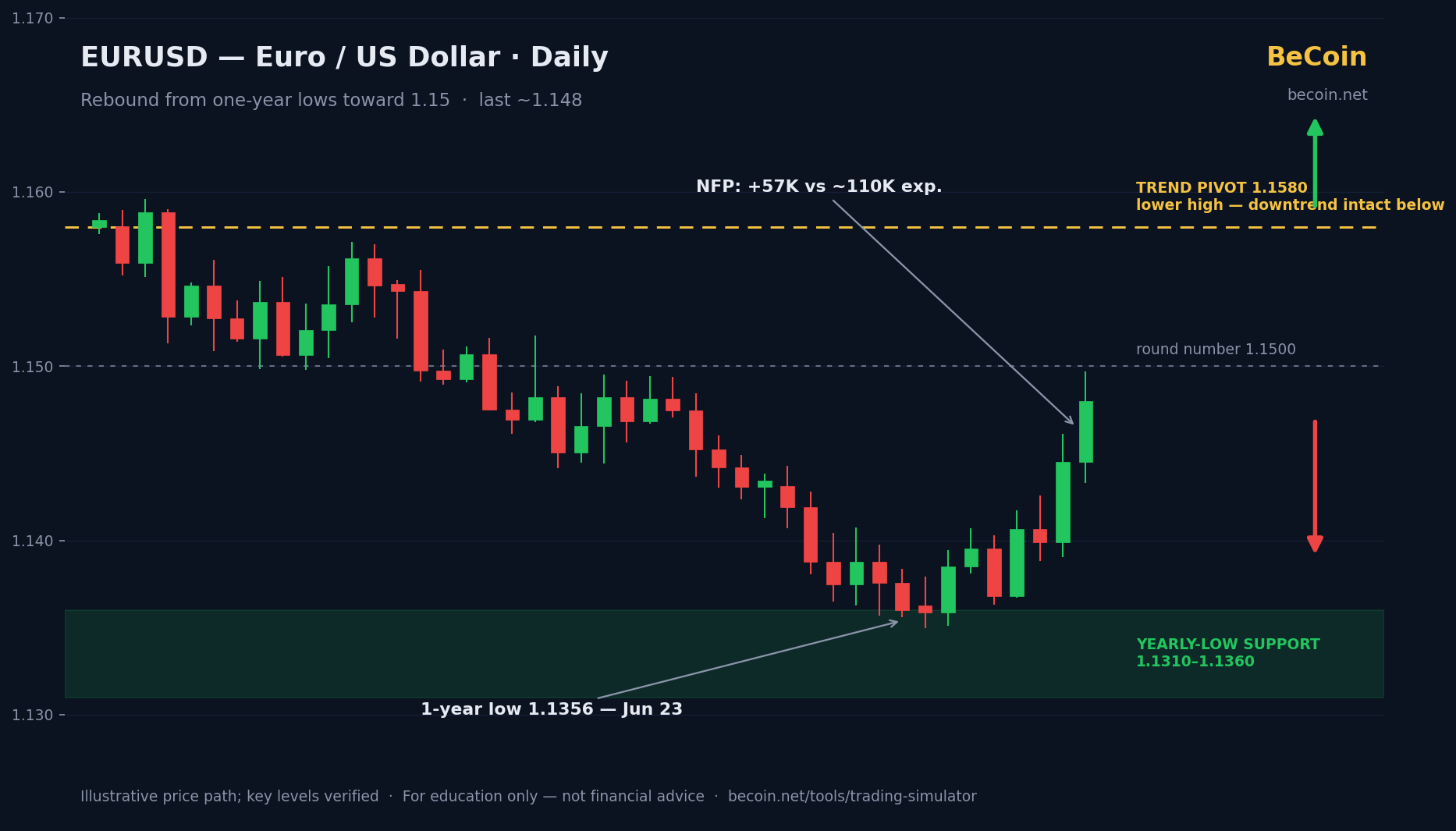
Then came July 2. The US economy added just 57,000 jobs in June, roughly half of what forecasters expected, and the dollar's armor cracked. EURUSD closed near 1.1399 and pushed toward the 1.15 area on July 3 as traders repriced the Fed's path. Now the question dominating forex desks: was that the turn, or just another rally to sell?
The Setup
The pair's downtrend has been orderly rather than dramatic — a stairway of lower highs as every euro bounce met a wall of dollar demand. What makes the current moment different is that the pressure eased from the US side, not the European one. The euro didn't get stronger; the dollar got weaker. That distinction shapes both sides of the trade.
Notably, the crowd is genuinely split. Popular positioning around this pair shows bulls buying the rebound from the yearly low and bears selling into it, with both camps circling the same structural level overhead: the 1.1580 area, where the downtrend's most recent meaningful lower high sits.
Key Levels to Know
- 1.1356 — the late-June low, the pair's weakest print in about a year and the line the bulls must defend.
- 1.1310–1.1334 — the next support shelf chartists flag if the yearly low gives way.
- 1.1500 — the round number the rebound is currently attacking; acceptance above it keeps recovery momentum alive.
- 1.1580 — the pivot. As long as EURUSD makes lower highs beneath it, the 2026 downtrend is technically intact. A clean break above changes the structure.
The Bullish Case
Bulls argue the dollar's trend just met its first real contradiction. A labor market adding 57K jobs a month is not the backdrop for "higher-for-longer," and rate expectations have started to move. Positioning amplifies the case: after months of one-way dollar strength, crowded long-dollar trades unwinding can carry EURUSD further than fundamentals alone would suggest. Technically, the pair rebounded hard from a well-watched yearly low, leaving a potential double-bottom footprint. Follow-through above 1.15 and then 1.1580 would convert this from a bounce into a trend change.
The Bearish Case
Bears point out that nothing improved in Europe. Eurozone inflation is undershooting, Lagarde leans dovish, and a currency rising only because the other side stumbled tends to fall back when the stumble is digested. One jobs report does not make a Fed pivot — Chair Warsh has been consistently hawkish, and if he pushes back on the market's repricing, the dollar's uptrend resumes with the euro still fundamentally unloved. In that scenario, the rally toward 1.15 is a gift: a higher level to re-enter the downtrend, targeting the 1.1356 low first, then the 1.1310–1.1334 shelf.
What Traders Should Watch Next
The 1.1580 pivot is the single most informative level on the chart — the downtrend survives below it and breaks above it. Before that, watch how the pair handles 1.15: acceptance would embolden bulls, a sharp rejection would suggest the dollar dip is already being bought. Fed communication is the wild card; any speech from Chair Warsh addressing the jobs data is a direct EURUSD event. On the other side of the Atlantic, upcoming Eurozone inflation prints will determine whether the euro can contribute anything to its own rally. And July's US CPI will either confirm the "cooling economy" narrative or bury it.
Conclusion
EURUSD's bounce from one-year lows is real, fast, and — so far — driven entirely by the dollar side of the pair. That makes it powerful but fragile: powerful because dollar positioning is stretched, fragile because the euro still lacks its own story. The chart has rarely offered cleaner reference points — 1.1356 below, 1.1580 above — and the resolution between them will likely define the pair's second half of 2026.
Trade the range, the break, or the fade — without the consequences. Test this setup in BeCoin's Trading Simulator: https://becoin.net/tools/trading-simulator — set alerts at both pivots and practice your plan before the market forces a decision.
Risk note: This article is for information and education only and is not financial or investment advice. Currency markets are volatile and heavily event-driven; levels referenced here can change quickly around central bank communication and economic data. Always do your own research and never risk money you cannot afford to lose.
---
Ethereum at Yearly Lows: Accumulation Zone or Value Trap?
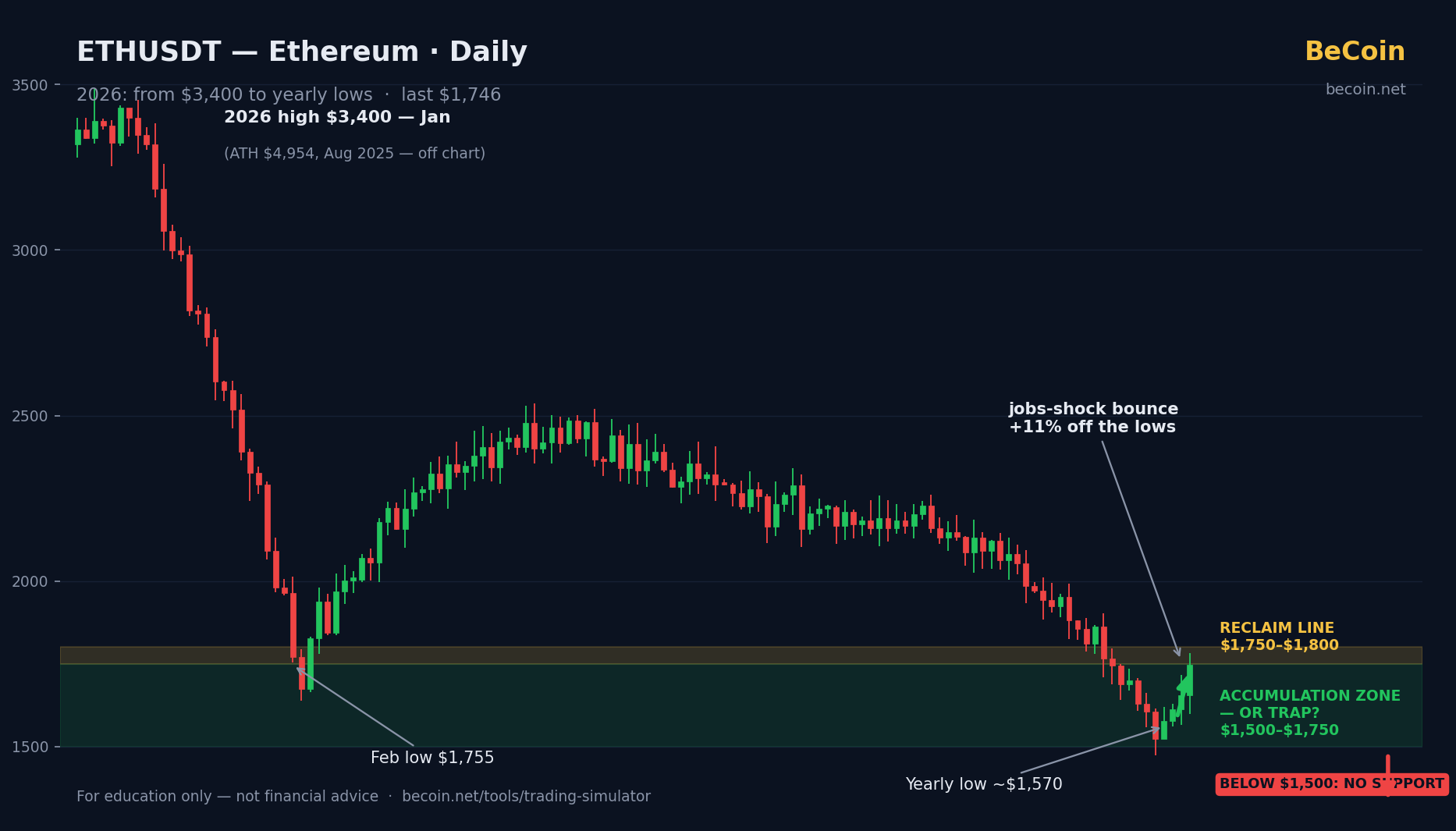
ETH bounced off yearly lows near $1,570 to $1,746 after the US jobs shock, still ~65% below its all-time high. We weigh the accumulation case against the value-trap case, level by level.
Yen at 40-Year Lows: Trading USDJPY Under Intervention Watch
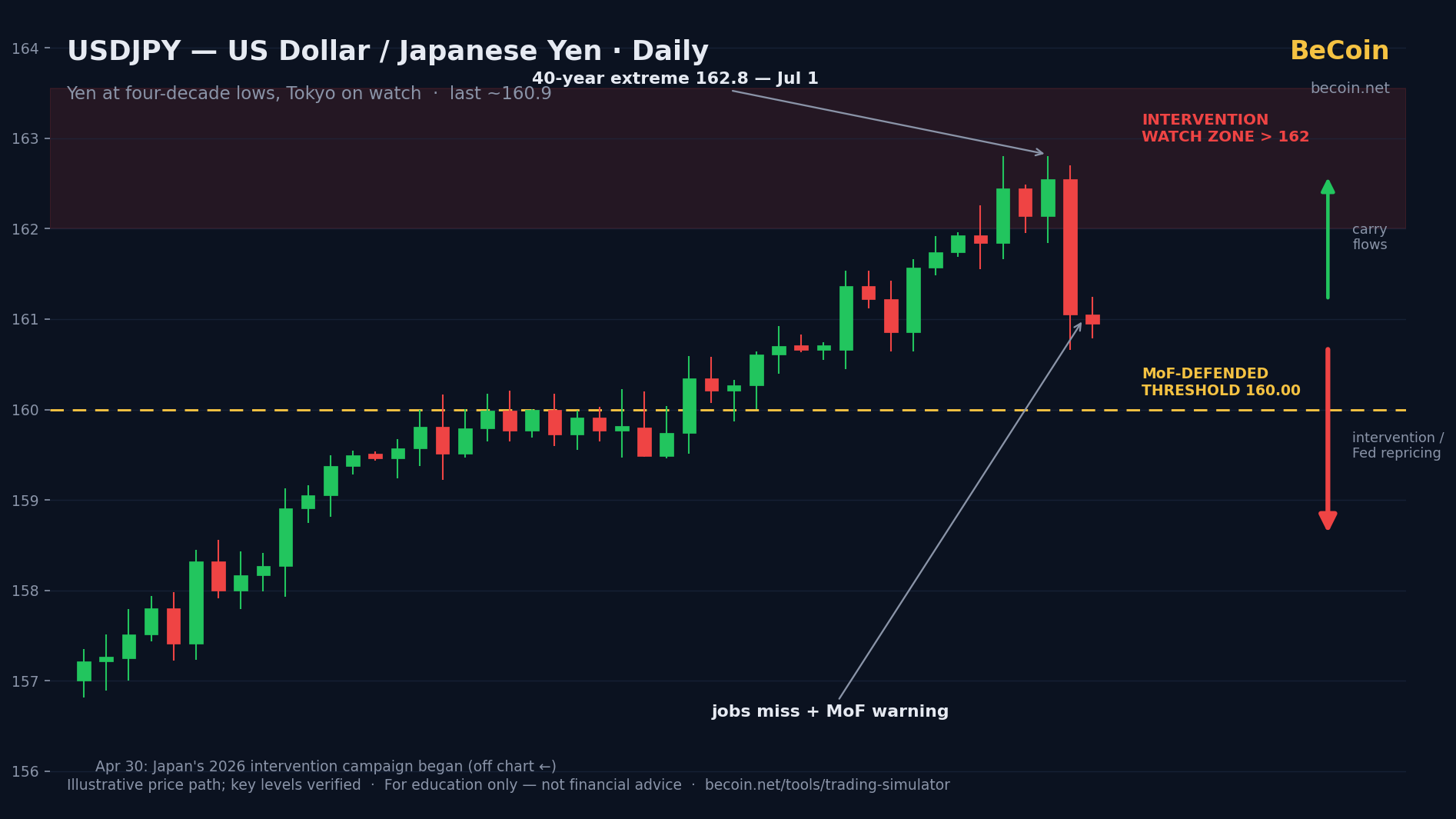
USDJPY hit 162.8 — the yen's weakest in four decades — then snapped back below 161 on weak US jobs and fresh intervention warnings from Tokyo. Key levels, both cases, and what to watch.
Gold Blasts Past $4,100 After Jobs Shock: Breakout or Trap?
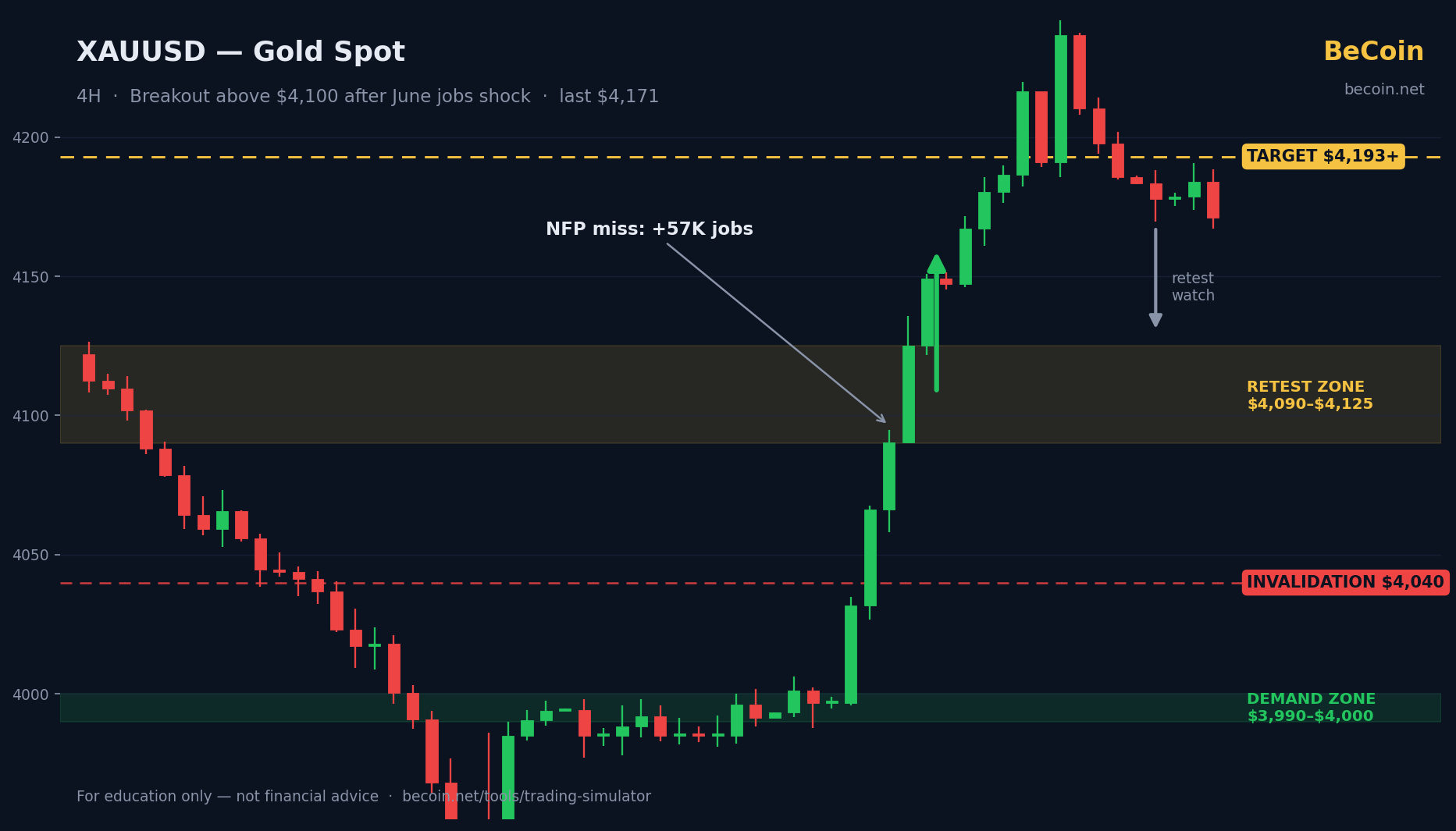
Gold surged past $4,100 after a shock US jobs miss. We map the key levels, the bullish and bearish cases, and what traders should watch next — plus how to practice the setup risk-free.

Why Traders Move from Binomo to Deriv in 2026: The Real Reasons Behind the Switch
If you spend enough time around trading communities, you’ll notice a pattern. Many traders start with Binomo. Then, after a few months, a surprising number begin looking at Deriv. Some switch completely. Others keep both accounts but gradually move most of their trading activity to Deriv. I noticed this trend while talking to beginner traders […]
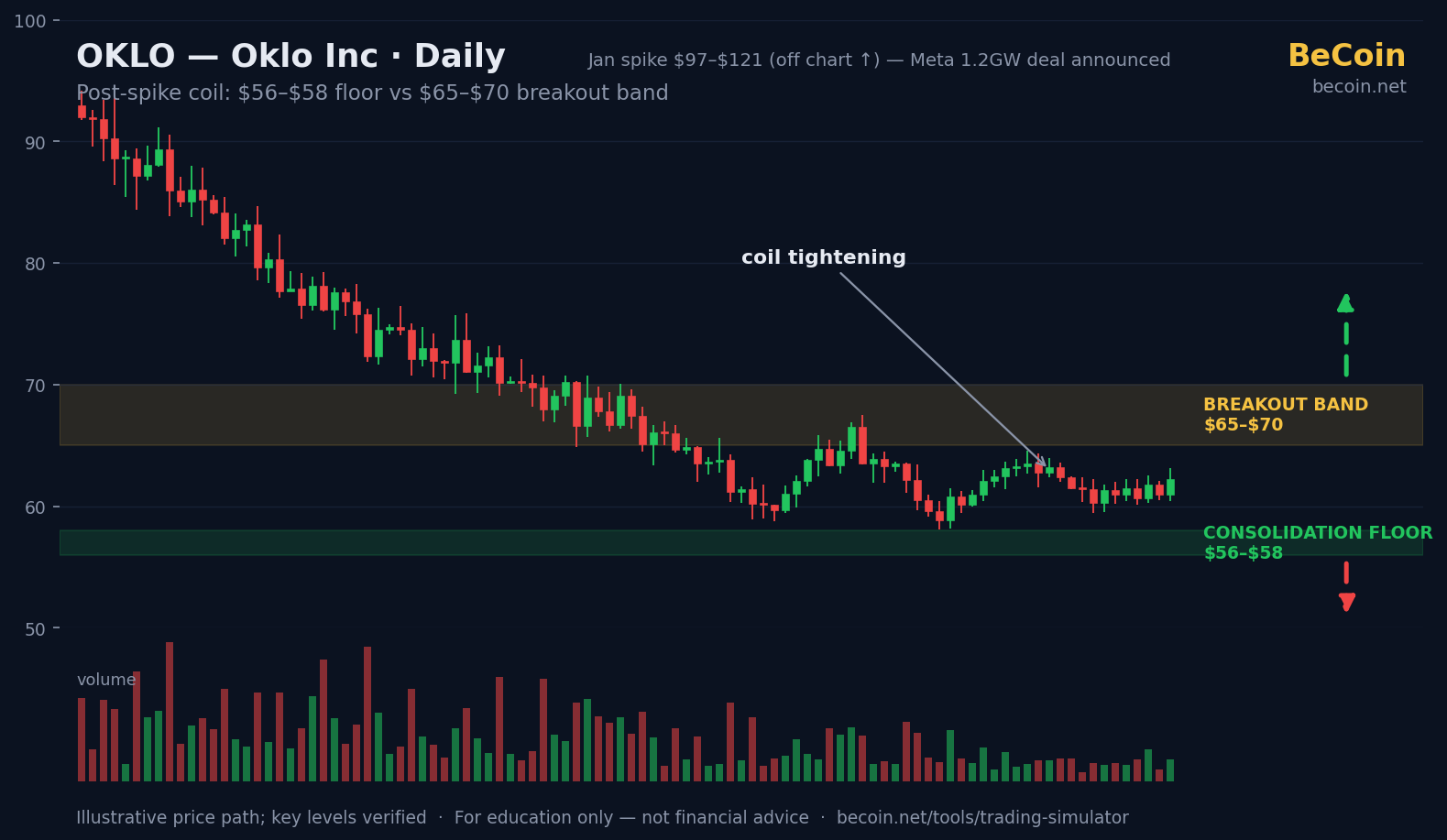
Oklo and the AI Power Trade: A Coiled Chart Meets a Hot Narrative
Oklo's Meta-backed 1.2GW nuclear deal validated the story, but the stock halved from January's spike into a tight $56–$70 range. We map the coil, both cases, and the breakout triggers.
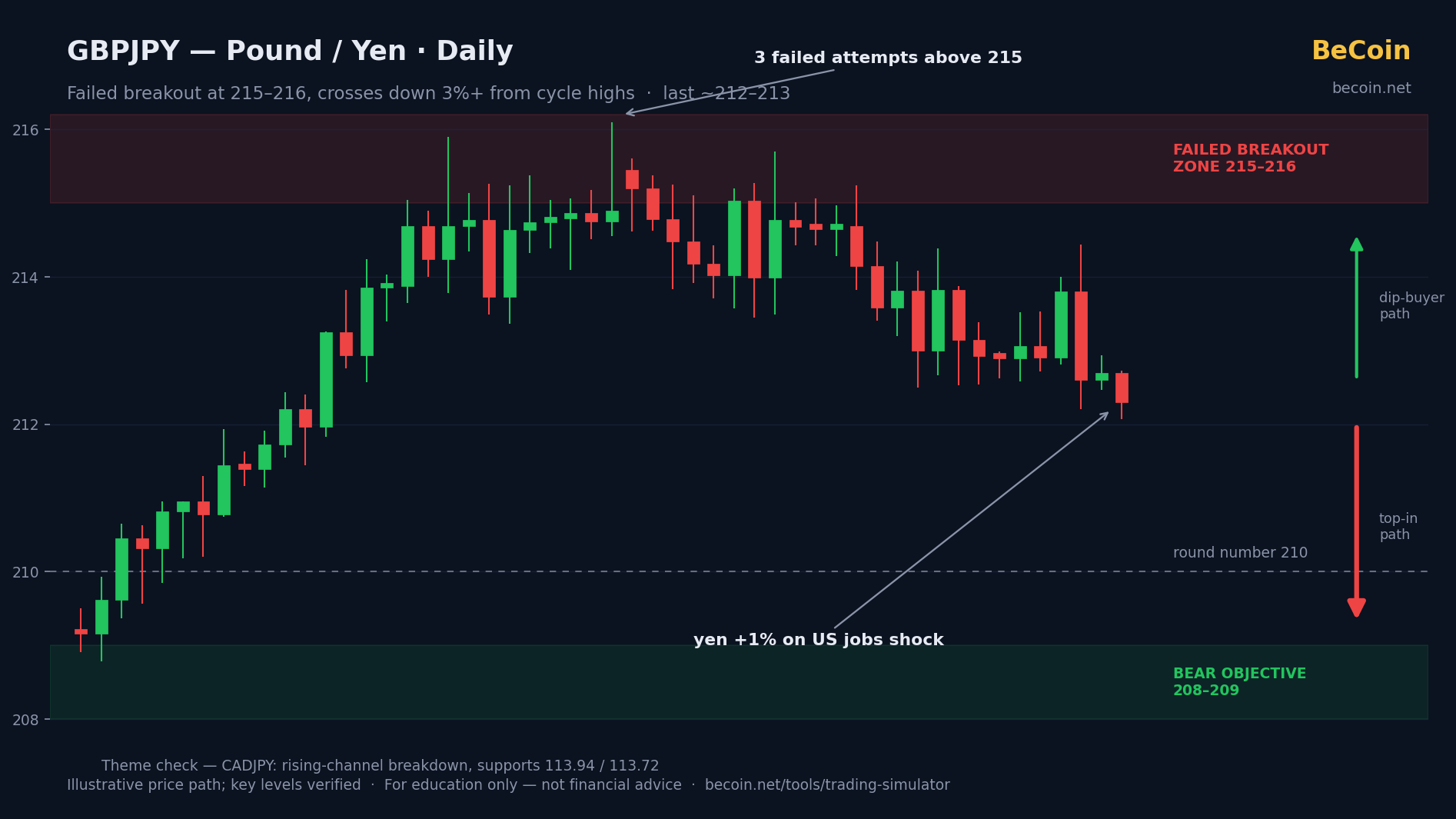
The Yen Trade Everyone's Watching: Are JPY Crosses Topping First?
EURJPY, GBPJPY and CADJPY have dropped 3%+ from cycle highs while USDJPY made new extremes. We map GBPJPY's failed breakout at 215, CADJPY's channel break, and what decides the yen reversal trade.